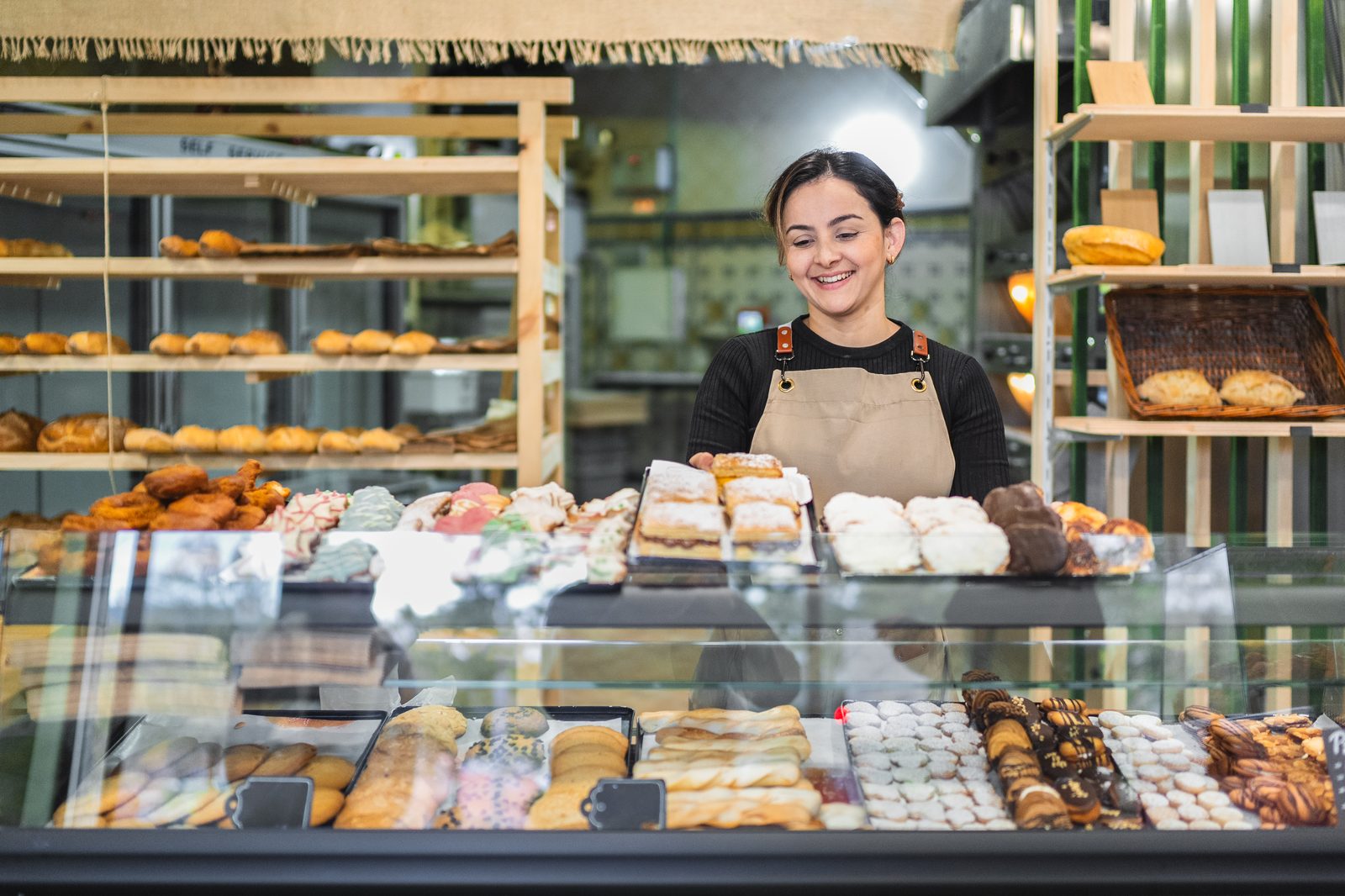
There’s a cake shop we think about often. The cakes were extraordinary — the kind people photograph before they take a bite. The owner had spent years perfecting her craft. By every measure that used to matter, she was the best in town.
And almost no one could find her.
Her website existed, technically. It looked fine. But when her would-be customers pulled out their phones and asked an AI assistant “best cakes near me?”, her name never came up. Not ranked low. Not buried on page two. Simply absent from the answer. The people most likely to love her work were being handed a list of competitors instead — and she never even knew it was happening.
This is the quiet crisis facing great small businesses right now. The problem isn’t the quality of the work. It’s that the way customers find work has changed faster than most websites have.
Search didn’t die. It got a spokesperson.
For twenty years, “getting found” meant ranking on Google — earning a spot in a list of ten blue links and hoping someone clicked yours. That world is fading. Your customers increasingly ask ChatGPT, Perplexity, and Google’s AI Overviews for a recommendation, and those tools hand back an answer, often a single name, without the person ever scrolling a results page.
That shifts the whole game. You’re no longer competing to be on the list. You’re competing to be the answer. And the businesses that win that position aren’t necessarily the biggest or the oldest — they’re the ones whose websites are built so an AI can actually read, understand, and confidently recommend them.
Why “a website that looks fine” isn’t enough
Here’s the uncomfortable truth: a beautiful website and a findable website are not the same thing. AI assistants don’t experience your site the way a human visitor does. They read structure, not style. They look for clear, well-organized content that tells them exactly what you do, who you serve, where you are, and why you’re credible — expressed in a way machines can parse and cite.
Most small-business websites were never built with that in mind. They were built to look professional in a browser, and that was the right goal in 2018. In 2026, a site that a person finds attractive but an AI finds unreadable is a site that quietly loses customers it never sees.
An AI-first website flips the priority. It’s designed from the ground up to be understood by machines and loved by people: clean structure and schema so AI can interpret and recommend you, fast performance so visitors don’t bounce, and content organized around the questions real customers actually ask.
What changed for the cake shop
We rebuilt her site to be AI-first — structured for AI to read and cite, fast, mobile-first, and built to convert the visitors it earned. The change wasn’t cosmetic; it was foundational.
The result was the kind of thing that sounds like marketing until it happens to you. When people started asking AI for a recommendation, hers became the first name it offered. The calendar filled. She went from invisible to the default choice — not by becoming a better baker, but by finally being findable.
The takeaway for every small business
If you take one thing from this, let it be this: being great is table stakes now. It gets you nothing if the tools your customers use to decide have never heard of you. The winners over the next few years will be the businesses that are both excellent and discoverable — by people and by AI.
You don’t need an enterprise budget to get there. You need a website built on the right foundation: readable by AI, fast enough to hold attention, and designed to turn interest into customers. That’s exactly the gap we close.
If your business is the best-kept secret in town, let’s fix the “secret” part. Visit thedotdev.com and let’s build a site that gets you found.
Leave a Reply